The Impact of Social Networks on Society in the U.S.
Social networks have become an integral part of daily life in the U.S., influencing how people communicate, consume information, and engage with each other. From Facebook to Twitter, these platforms facilitate connections but also raise concerns regarding privacy and mental health. One pressing issue is the impact of social networks on society’s perception of reality, shaping opinions and fueling division.
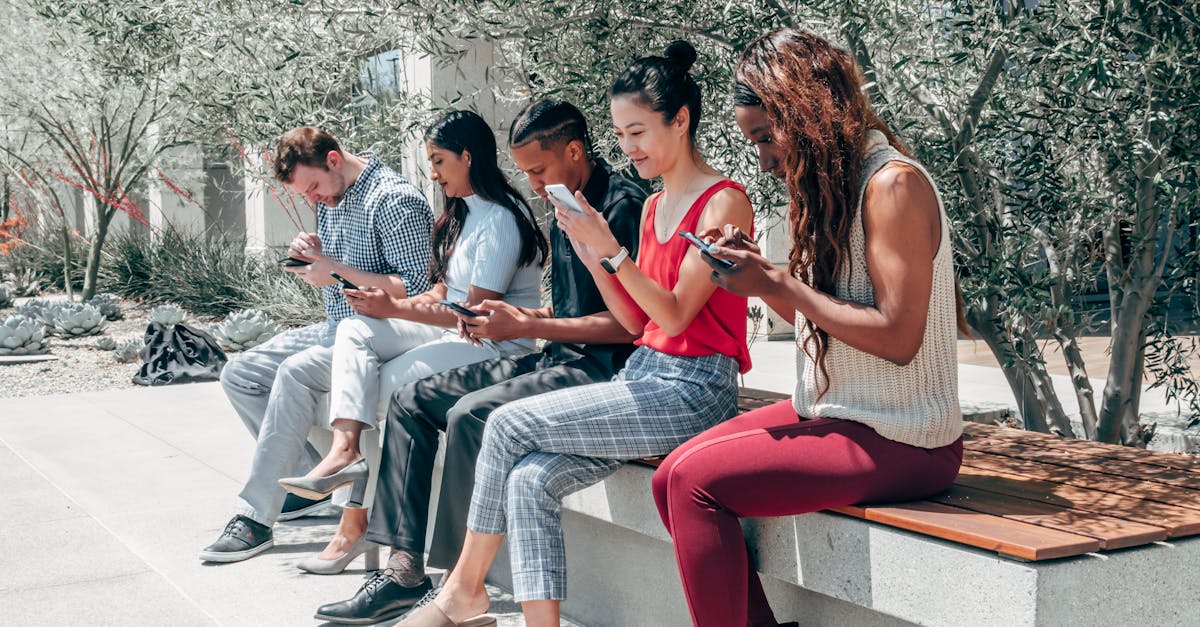
Moreover, social networks play a critical role in mobilizing social movements. They offer a platform for grassroots organizations to spread awareness and rally support for various causes, highlighting the positive impact on society. However, the reliance on digital interactions can lead to a decline in face-to-face communication, potentially affecting social skills.
Another significant concern is the spread of misinformation. The speed at which information travels on social networks can amplify falsehoods, impacting society’s understanding of crucial issues. This necessitates a greater emphasis on digital literacy, teaching users to critically evaluate the content they encounter online.
In conclusion, the impact of social networks on society is profound. While they provide benefits in terms of connectivity and activism, there are also serious implications for privacy and information accuracy. Balancing these aspects is essential for fostering a healthier digital landscape in the U.S.